On this page
North Gujarat has built strong businesses on trust, quality and long relationships, and many of them still run on phone calls, registers and memory. That is often sensible, until the business grows beyond what one person can hold in their head, or a new buyer who has never met you tries to find out who you are.
This article explains what digital transformation means at a realistic scale for the region. You will see four stages you can work through in order, examples from the trades here, and a way of deciding what to do first without betting the business on a big system.
Why the region's businesses face a particular challenge
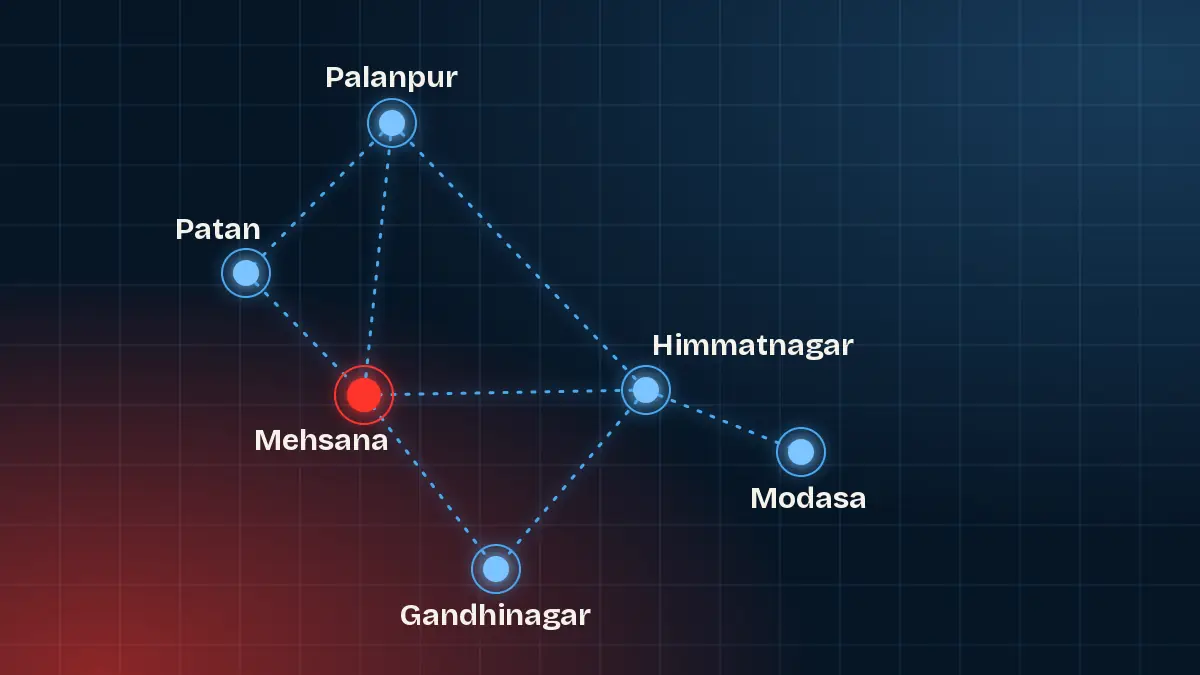
The area usually described as North Gujarat includes Banaskantha, Mehsana, Patan, Sabarkantha, Aravalli and often Gandhinagar. Definitions vary, and recent district changes such as the creation of Vav-Tharad make them vary further. What these places share is a pattern: goods and people are spread out, while buyers are often very far away.
Consider a few examples of what the region is known for:
- Dairy: cooperatives such as Banas Dairy in Banaskantha, Dudhsagar Dairy in Mehsana and Sabar Dairy in Sabarkantha rely on village-level collection across large areas, and many smaller businesses supply and serve this network.
- Spices and seeds: Unjha in Mehsana district is a major trading centre. Gujarat government figures reported by DeshGujarat put the district's 2024-25 exports of cumin and other spice seeds at about ₹3,995 crore, to 101 countries.
- Textiles and crafts: the Patan Patola received a geographical indication in 2013, and it is a reminder that a local product can have a global audience.
- Manufacturing: the Mandal-Becharaji area has drawn automotive manufacturing, which creates work for component and service suppliers nearby.
A business in any of these trades may be dealing with a buyer who has never visited, and with work happening in places the owner cannot see at once. Both of those are information problems, which is where software can help.
What digital transformation means at this scale
The term sounds larger than it needs to be. In plain words, it means changing how information moves, so that less depends on paper, memory and someone being free to answer the phone.
It does not mean you must buy an enterprise system, replace your accountant's software, or make everyone learn something new at once. Each stage below is useful alone, and you can stop whenever the next one no longer justifies its cost.
Stage 1: Be easy to check
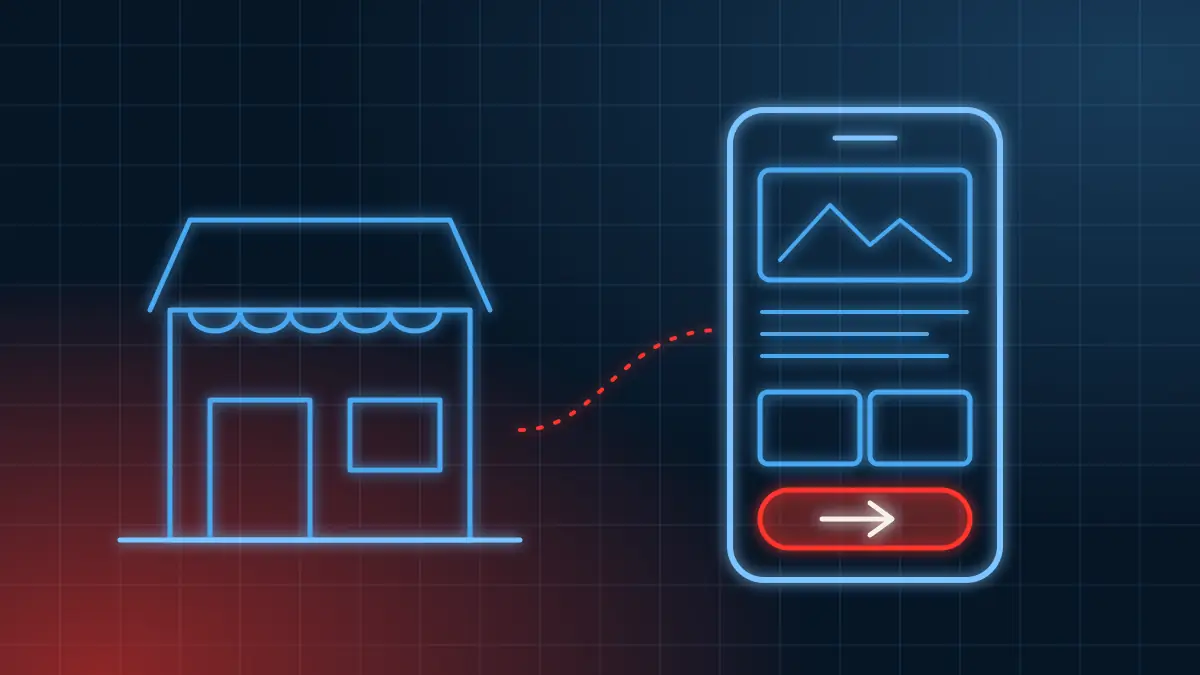
Start with what outsiders see. When a buyer in another state hears your name, they search for it. A professional website answers their first questions: who you are, what you supply, how long you have been doing it, and how to reach you.
For a trading or manufacturing firm, this is less about design flair than about usable detail: product specifications, packing sizes, minimum order quantities, and certificates you really hold. You are done with this stage when a stranger can understand your business and contact you without first calling someone who knows you.
Stage 2: Capture records where the work happens
Information usually goes wrong at the start, when it is written in a notebook and retyped later. So the second stage is to record things where they happen: at the collection point, the godown, the workshop floor or the delivery.
A simple mobile app or phone form works if it is quick to use and tolerates a weak signal. Entries can be saved on the phone and sent once a connection returns, if that is designed in from the start. Ask only for what you will really use, since every extra field makes it more likely that people will quietly go back to the notebook.
Stage 3: Share one view of the truth
Once records arrive in one place, the owner stops being the only person who knows what is going on. Staff can check stock, an order's status or a supplier's balance without phoning anyone.
This is usually a small custom system or a well-chosen ready-made product, and it is worth comparing both honestly. A warning sign that you need this stage is when two reports for the same month show different totals and nobody can say which is right.
Stage 4: Connect and automate
Only now does automation make sense, because it needs clean, consistent records to work from. Connecting your system to accounting software, preparing monthly supplier summaries automatically, or reading figures from delivery notes can all save real hours.
Keep a person checking anything with financial consequences. Our article on where AI automation pays off explains how to choose suitable tasks, and why a pipeline nobody watches eventually fails without anyone noticing.
How this might look in different trades
These examples are illustrations of the approach, not accounts of real projects.
A spice or seed trader
The website could present each commodity, its grades and packing options, and make it easy to request a sample or a quote, with key pages in the languages your buyers use. Behind it, one shared record of enquiries would stop overseas requests from getting lost in someone's personal inbox. Rates that change daily are better shared on request than left to go stale on a page.
A business supplying the dairy network
A supplier of cattle feed or equipment across many villages could use a phone-based order and delivery record, so that the office knows the same day what went where. A cooperative's own systems belong to the cooperative, so plan to work alongside them and never assume access to their data.
A textile or craft seller
Here the website carries the story of the product: the people, the process and honest close-up photographs. An online store can then follow when the demand is proven. Only describe a product as a registered geographical indication if you are genuinely entitled to, because the name is protected and buyers may check it.
A component or service supplier
Larger manufacturers may ask for documents, quality records and quick answers. A tidy capabilities page and a simple system that keeps each job's paperwork attached to it can make you easier to work with, without promising anything about winning that business.
Design for how the region actually works
Software that suits a big-city head office can fail here for simple reasons. Plan for the following from the start:
- Weak or patchy connections in the field and in rural areas.
- Staff who are comfortable with WhatsApp but have not used business software.
- Gujarati as the natural language for many entries and conversations.
- Shared phones, which affect how people log in and who gets credit for an entry.
- Seasonal rushes, when nobody has time to learn anything new, so avoid launching just before one.
Choosing your first project
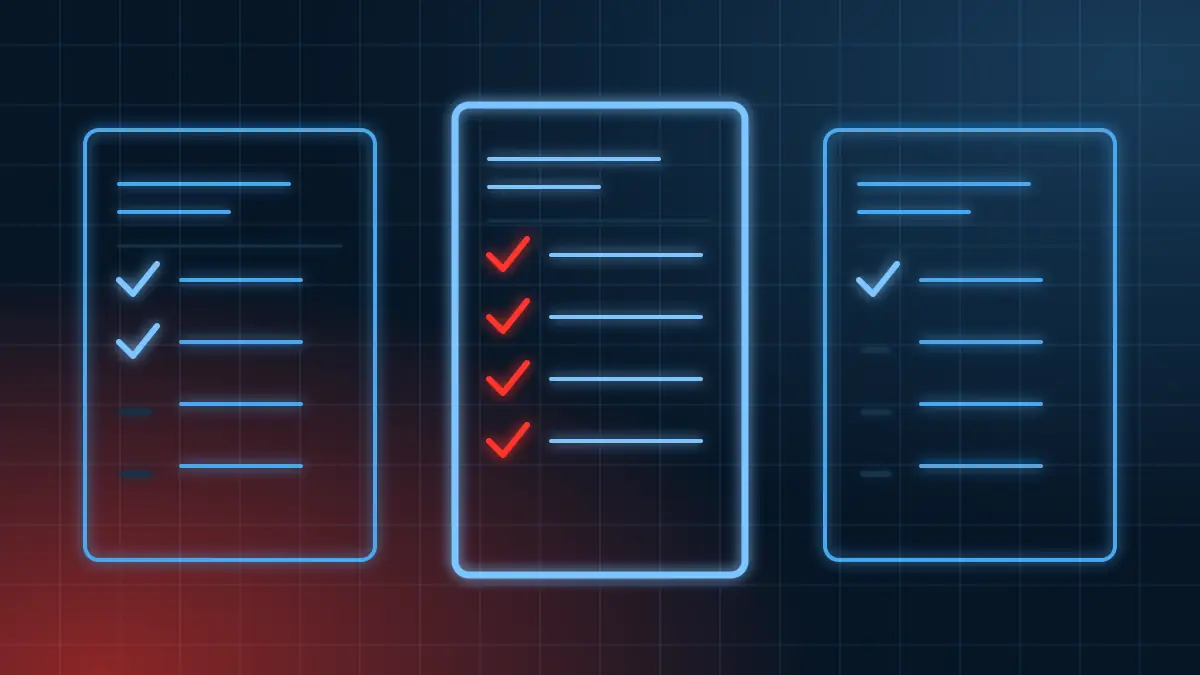
List three or four things that waste time, then score each one on three questions. How many hours does it cost in a normal week? How much do its mistakes cost you? How easily could you go back if the new way failed?
Pick the one with high cost and easy reversal. Then write down one number to watch, such as the hours spent on the monthly report, so you can see whether the work paid off. If you want help turning that into something a developer can quote against, our free project brief builder is a good place to begin, and our Banaskantha page describes how we approach work spread across a district.
The best first project is the one you can measure, finish quickly and walk away from if it does not help.
Frequently asked questions
What does digital transformation mean for a small or mid-sized business?
It means changing how information moves through the business so that fewer things depend on paper, memory and phone calls. It might be as small as replacing one register with a shared tool. It does not have to involve a large system, and it should not begin with one.
Do we need an ERP before we can do any of this?
Usually not. Many businesses get more from a website and a few focused tools first, and those steps also show what a larger system would really need to do. If you already run ERP or accounting software, the better question is usually how to connect to it rather than replace it.
Should we change everything at once?
No. Changing several processes together makes it hard to see what helped, and it asks too much of your staff at the same time. Finish one stage, confirm that people are using it, and then choose the next.
Can this work if our staff are not comfortable with technology?
Yes, provided the tools are designed around them. Short screens, large buttons, Gujarati labels where they help, and asking only for what is needed all make a real difference. Testing with the actual staff on their own phones, before rollout, shows the problems early.
How do we know if a digital project has worked?
Choose one number before you begin, such as hours spent on a monthly report, or enquiries received each month. Measure it for a few weeks, and measure it again after launch. If it has not moved, find out why before you spend more.